

La Grande Dame Celebrates Madame Clicquot Ponsardin, the Matriarch of Champagne
The latest vintage of Veuve Clicquot's prestige cuvée repositions it for the next generation of wine drinkers.
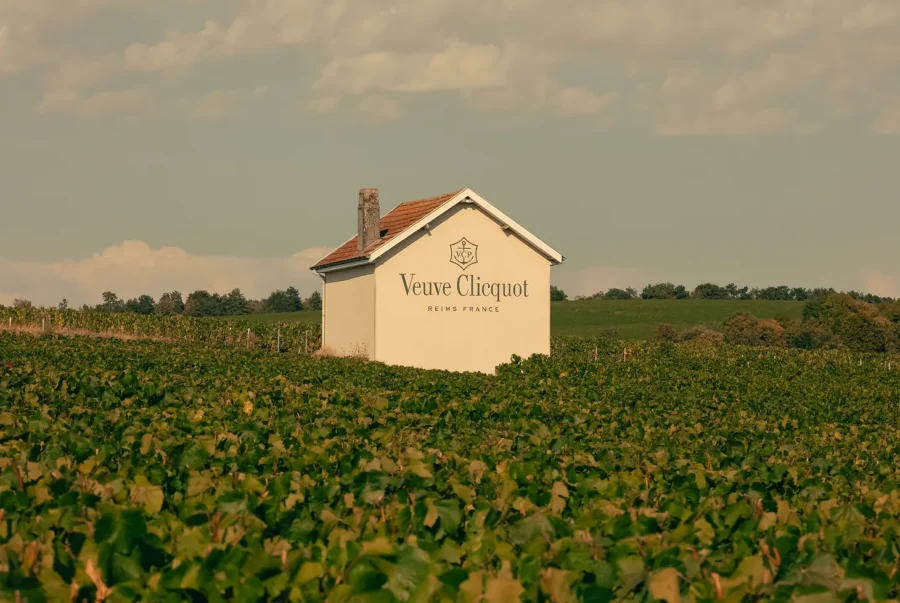
No champagne has quite the same cultural cachet as Veuve Clicquot’s flagship brut. Sold by the millions, the wine with the unmistakable sunshine yellow label is ubiquitous on the shelves of stores and in the ice buckets of restaurants the world over. The brand has struck such pay dirt with its most popular wine that it’s easy to forget that it produces a whole bevvy of bubbles beyond its Yellow Label brut, the most estimable of which is La Grande Dame, the house’s prestige cuvée that is only released in the most favourable vintages.
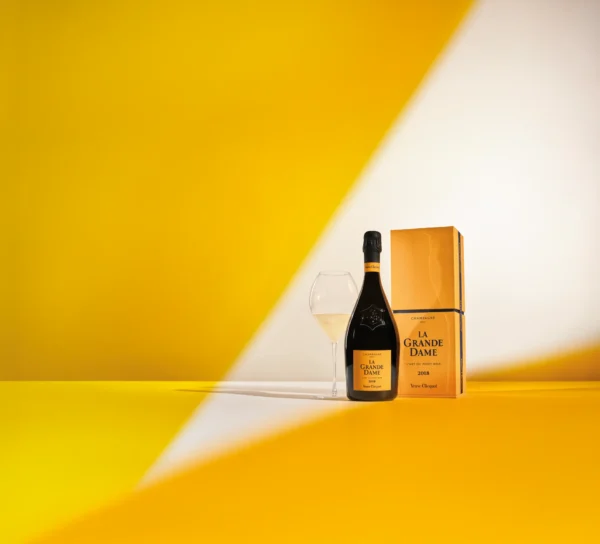
Since the 1972 launch of its inaugural 1962 vintage, La Grande Dame has taken the Veuve Clicquot brand equity and given it an ultrapremium spin. A blend of primarily pinot noir, it honours the legacy of Madame Clicquot Ponsardin, the matriarch of Veuve Clicquot who favoured pinot noir above all the other seven permitted champagne grape varieties, having famously declared that “our black grapes give the finest white wines.” For the 2018 vintage, which made its global debut earlier this year, Veuve Clicquot cellar master Didier Mariotti reaffirmed the house’s commitment to Madame Clicquot’s assertion by maintaining the standard proportion of 90 per cent pinot noir that was established in recent years.
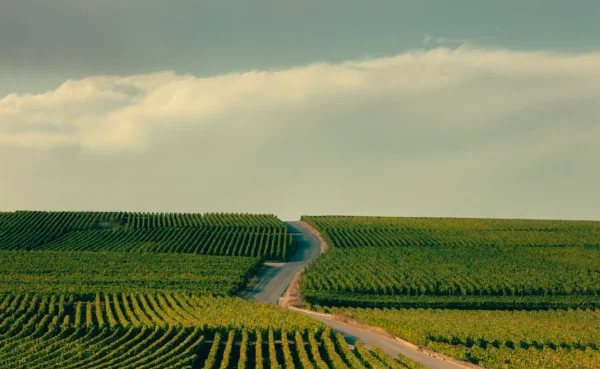
The 2018 vintage was a banner one across much of Europe, but it was especially fortuitous for marginal regions in the continent’s north. Champagne, which lies at roughly the same latitude as British Columbia’s Okanagan Valley wine region, experienced a wet spring followed by an especially clement summer marked by dry, sunny days, resulting in a crop high in both quality and quantity. For Veuve Clicquot, whose estate vineyards lie primarily in the grand cru villages of the Montagne de Reims, the relative length and warmth of the summer resulted in fully ripe but still exceedingly elegant pinot noir—something that’s not always the case for the notoriously finnicky grape.
For the latest vintage of La Grande Dame, the 25th since its debut, Veuve Clicquot channelled the season’s warmth to create a wine of pure vigour. Approachable now thanks to the phenolic ripeness of the pinot noir, the wine maintains a live-wire acidity under Mariotti’s deft touch and thanks in part to the 10 per cent chardonnay that rounds out the blend. Combining citrus and orchard fruit, and with an ample dash of well-rounded brioche notes, the 2018 vintage of La Grande Dame is, much like a great work of art, made to be appreciated both now and for decades to come.
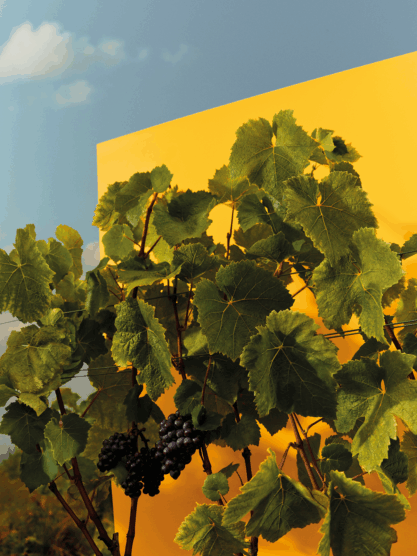
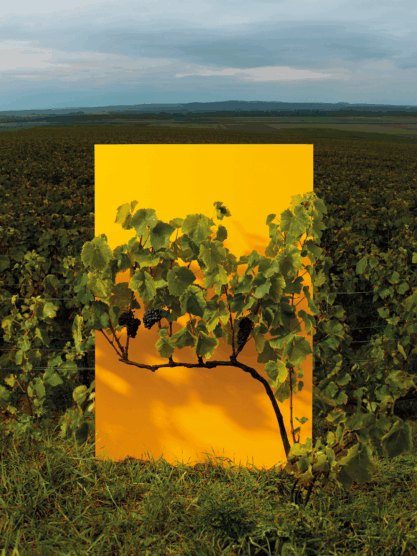
Of course, it wasn’t just Veuve Clicquot that took advantage of 2018’s outstanding weather—competition has never been stronger across Champagne. With the rise of the grower champagne movement and its entrenchment as the wine of choice amongst oenological cognoscenti, the region’s biggest players are repositioning their prestige cuvées to remain relevant. With this in mind, Veuve Clicquot gave La Grande Dame an aesthetic overhaul, with the packaging once again centring the simple Veuve yellow that graced earlier vintages of the wine, eschewing the graphic packaging designed by internationally acclaimed artists donned by recent offerings. (A limited-edition bottle designed by Simon Porte Jacquemus is available for those who prefer their champagne to pop in more ways than one.)
La Grande Dame has always been a prestige cuveé par excellence, proving Madame Clicquot’s maxim: black grapes do indeed make the finest white wines. And with its recent gastronomic repositioning, there’s little doubt that moving forward, La Grande Dame’s fine black grapes will make the meal as well.