

In Mexico’s Valle de Bravo, This Circular House Pays Homage to Its Surroundings
Fernanda Canales designs a 360-degree home to marry seclusion and aperture.
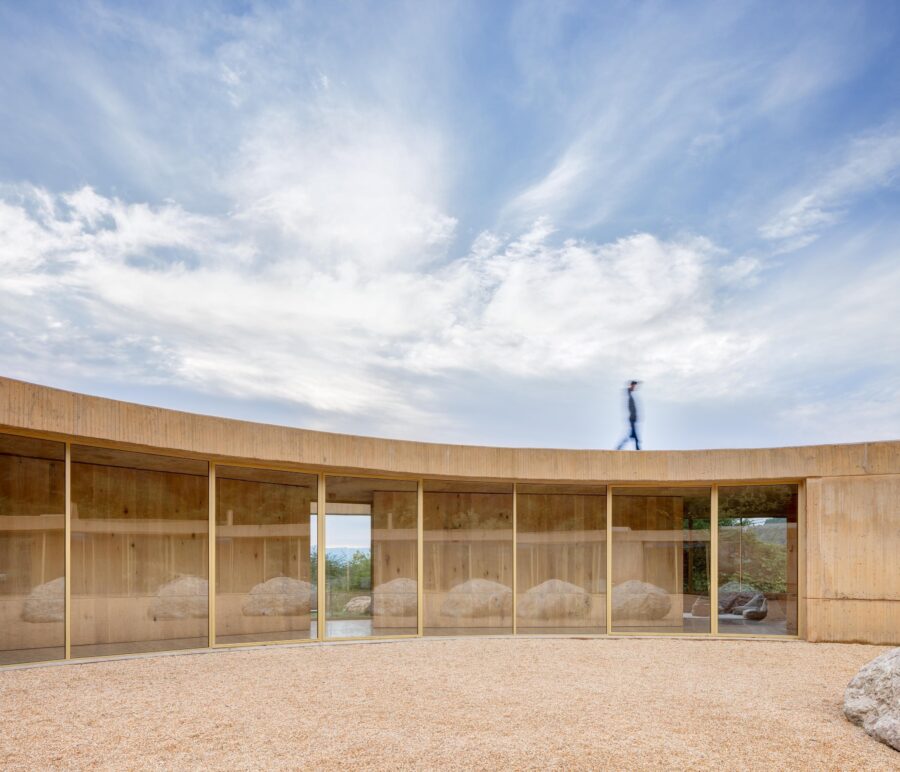
There is often a contradiction in modern architecture: how to create a house that allows the occupants to see the world without inviting the world in? Of course every homeowner wants ample natural light, and access to the surrounding nature if they are lucky enough to have it, but if that meant that every passerby could see what you were watching on TV or inventory the contents of your fridge, it might lead to some second thoughts.
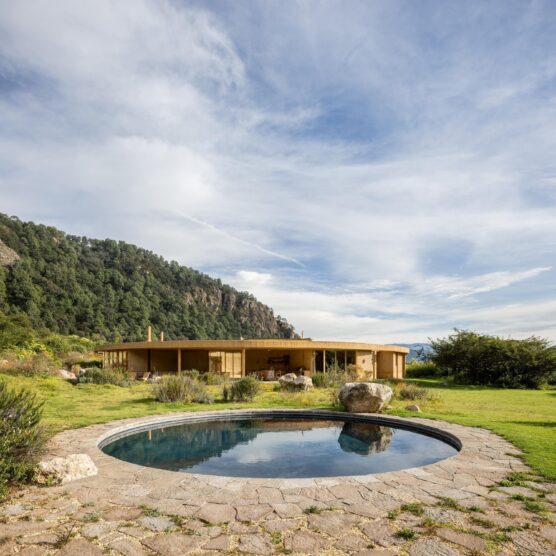
Although privacy wasn’t the primary concern of Fernanda Canales Architecture when designing this secluded house a three-hour drive west of Mexico City, it did focus on the marriage of what it calls “seclusion and aperture.” The house is in the region of Valle de Bravo, which is one of Mexico’s Pueblos Mágicos (Magical Towns), locations recognized by the government for their symbolic attributes such as natural features, architecture, and culture. Valle de Bravo is recognized for its spectacular lake, resulting from the Miguel Alemán Dam. However it also experiences fairly extreme weather, with temperature fluctuations from day to night and copious rainfall for nearly half the year, creating a struggle between inviting the surrounding area in while mitigating the effects of climate.
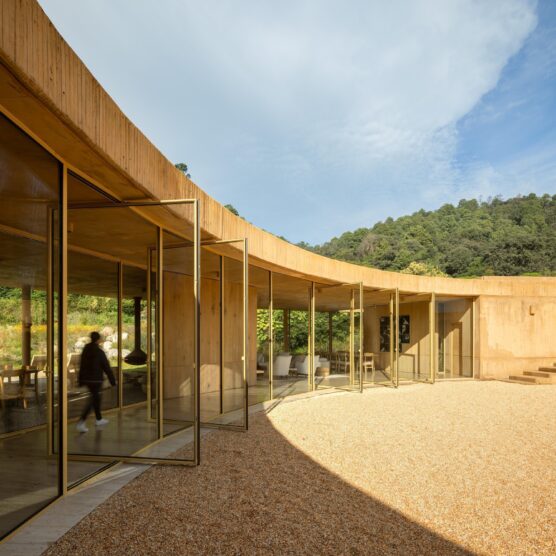
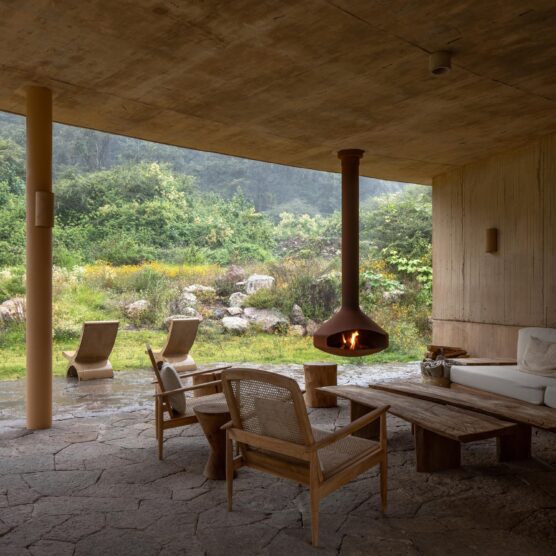
The result is a house slung low to the ground, a single-storey residence set in a perfect circular pattern conceived as a solar clock. The shape allows the occupants to gaze outward to the landscape, in particular the mountains and a volcano, during the day, and then turn inward to the central patio as night falls. From afar, the house appears almost as a waterless cenote, the famed swimming holes found in the Yucatan Peninsula. To further integrate the home with the landscape, local soil was added to the concrete used in the building process, lessening the contrast between the built and natural environments.
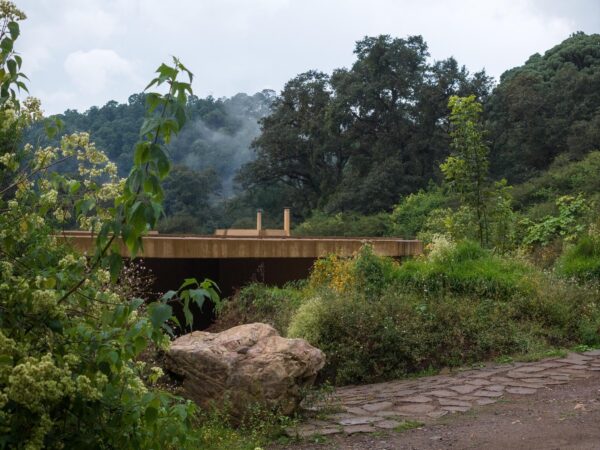
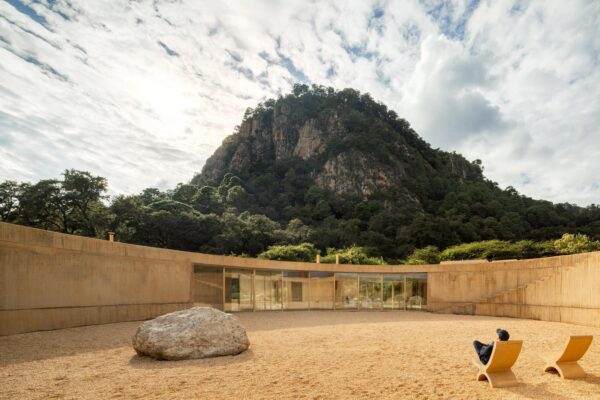
The home is off-grid, and it encompasses a range of features that make this designation possible. Due to the high seasonal rainfall, the house has a system to harvest and reuse the rainwater. Solar panels provide electricity, and hydronic radiant floors pump heated water underfoot to provide home heating. The shape of the house and its large windows allow cross ventilation in any direction.
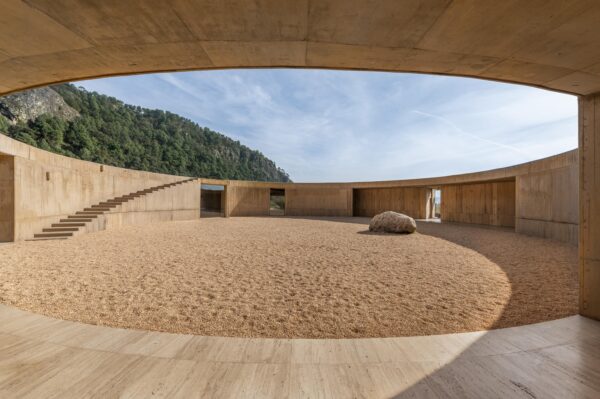
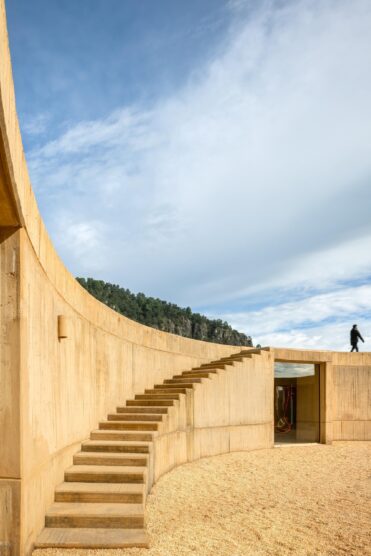
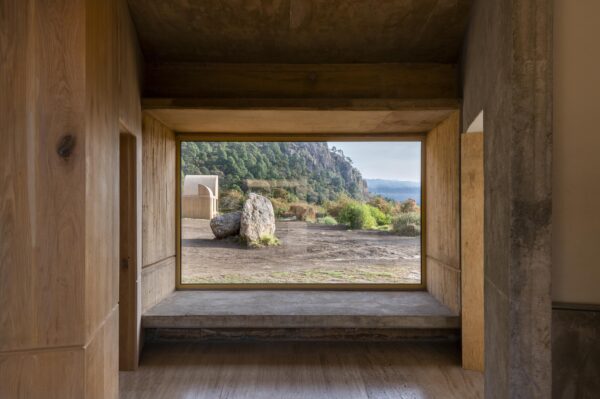
Overall, this house has achieved a synthesis between the wants of the occupants and the requirements of the landscape. By focusing on the environment and adapting the structure to that, through the materials and even the shape of the house, the home achieved its desire of marrying seclusion and aperture in one site.