

Why Daikanyama Is Still Worth a Visit, Even After Its “Discovery”
Turns out, being right next to one of Tokyo’s busiest areas doesn’t mean you receive the tourist spillover.
It’s not clear when Daikanyama was given the nickname “Brooklyn of Tokyo,” but it was probably more of a transition than a particular moment. The area, formally part of the Shibuya neighbourhood, was home to several hilltop samurai residences during the Edo period (1603-1867), and there was a design revolution later in the 20th century. Similar to other cities, cheap real estate welcomed artists and young professionals, and that gave way to a variety of independent stores and restaurants. What Daikanyama retained was a character and style that didn’t get lost through new branches of cookie-cutter “hipster” shops.
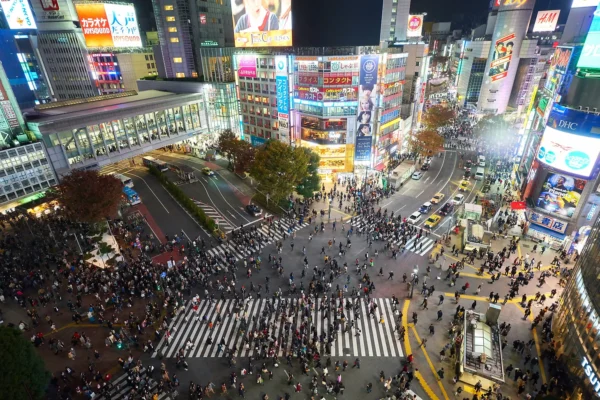
There’s a lot to like about this neighbourhood, not least of which is its location. It’s only a 20-minute walk from the chaos of the Shibuya Scramble Crossing, one of Tokyo’s most electric slabs of pavement. You can get your fix of Tokyo’s orderly yet ferocious pace, then set off due south through small streets where you’ll likely encounter more locals going about their day rather than tourists snapping photos at every moment.
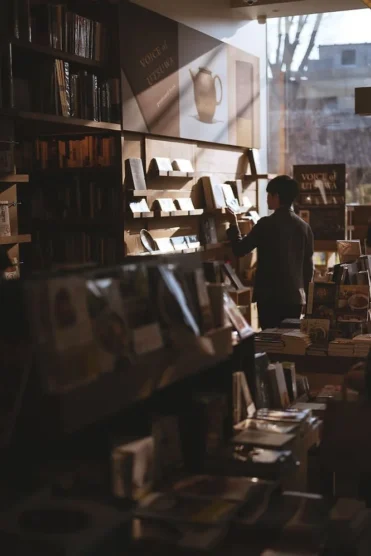
One of the area’s key attractions is Daikanyama T-Site, a large bookstore complex with much more to see than books. The building’s design is a nod to the artists who call this neighbourhood home. Close by is The Conran Shop, which has a nice assortment of homewares and of-the-moment fashion.
You can easily find name-brand stores here like Officine Universelle Buly Daikanyama and Maison Margiela, but those are more toward Ebisu, the next neighbourhood over. In contrast, a walk through Daikanyama will lead to places like Zenta Coffee, adjacent to Loko Gallery. With art such an important part of the area, it’s important to get a taste of its creativity while here.
Lunch can range from traditional Japanese to modern Italian. There is no shortage of great places to eat (as is the case throughout most of Tokyo), so it’s hard to go wrong no matter where you end up. For dinner, Cedros infuses California flair into Japanese cooking with menu items like octopus tacos and tuna tostadas. It’s a great place to wrap up the day with dinner before getting on the train and heading home.
With all that’s going on around it, Daikanyama is a welcoming and refreshing break before heading back to Tokyo’s busiest areas. It’s an enduring showcase of Tokyo’s creativity and a place to slow the pace in a city that rarely stops moving.