


Range Rover Is Still Turning Heads—and Wheels—at 55
A five-decade journey that transformed a rugged British 4x4 into one of the most influential luxury vehicles ever made.
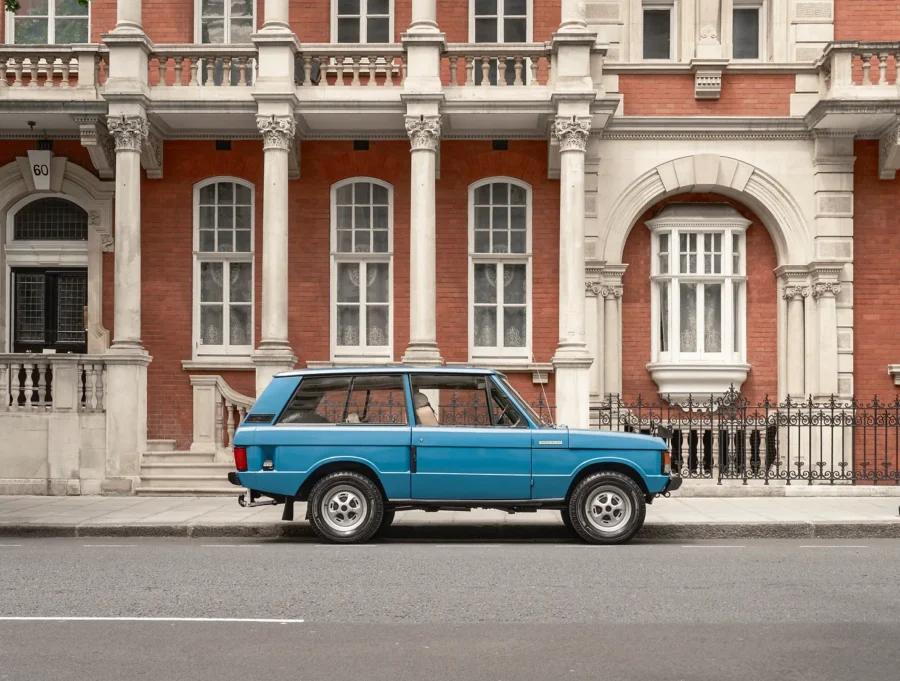
When it launched in 1970, Range Rover made a bold statement: releasing a vehicle that bridged rugged capability and refined luxury—a design proposition unlike anything else on the road at the time. Today, as Range Rover marks more than half a century, its design legacy continues to inspire not just what a luxury SUV can be but also what it should feel like.
The original Range Rover model in Tuscan Blue, with its clean lines, floating roof, and balanced proportions, earned a place in the Louvre as an exhibit of “exemplary industrial design.” It remains the only automobile ever displayed there, a rare acknowledgement of artistry within engineering—and the moment that cemented Range Rover’s position as design icon.
How do you balance heritage and innovation in the Range Rover design philosophy? “A timeless design with very clear proportions,” says Martin Limpert, global managing director for Range Rover. “We have consistently evolved in the same design language and same kind of DNA of what Range Rover represents.” By this, Limpert implies sculpted, elegant, and unmistakably British.
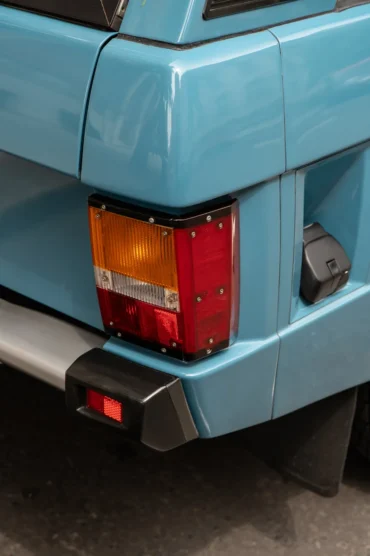
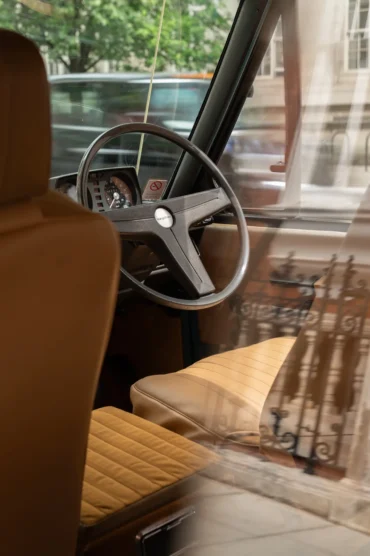
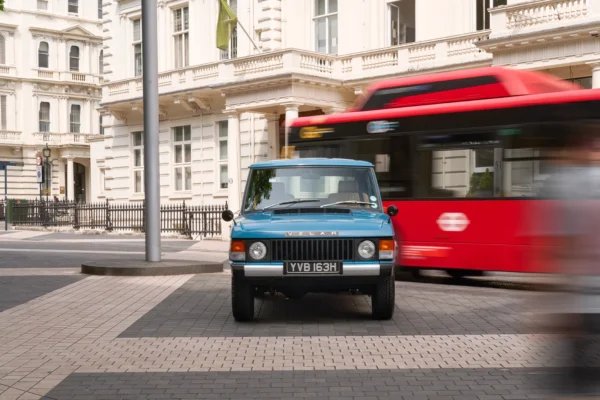
Fifty-five years later, in the fifth generation of Range Rover “you still recognize the reductive modernist design philosophy,” Limpert continues, “through our interior design, exterior design, and even the apparel range.” Through each decade, Range Rover has mastered the balance between power and poise and can navigate a mud trail in the morning, pull up to the Met Gala in the evening, and look perfectly suited to both places. That seamless balance between off-road capability and ultraluxury design is unmatched. For Range Rover, rough terrain and red carpets aren’t opposites but rather complementary halves.
While Range Rover symbolizes adventure, it is also an icon of modern craftsmanship, and for years to come it will continue to be, as Limpert notes, “an object of desire.”