Life on the Nile
A journey on a vintage steamship reveals Egypt’s ancient wonders in vintage style.
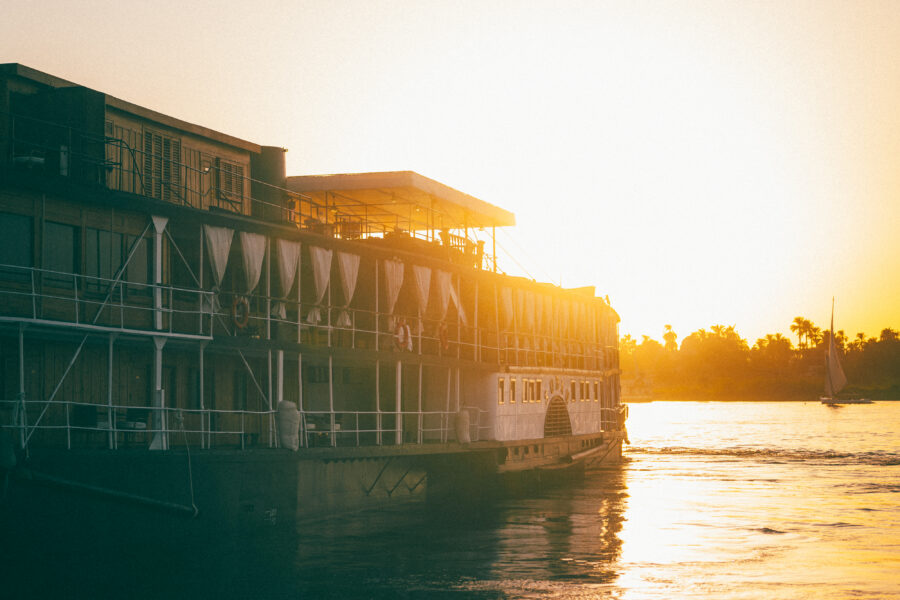
Photo by Boby.
“The stones speak to us,” says Ahmed Darwish as he guides our group of four travellers through the Great Hypostyle Hall in the Temple of Amun. Part of the sprawling Karnak complex on Luxor’s east bank, its 134 columns are wrapped in exquisite relief carvings, soaring 24 metres up toward a blue sky. It’s here in Egypt’s ancient city of Thebes that travellers on the SS Sudan end their sailing down the Nile River.
Echoing the way the temple whispers sacred rites from long ago, the polished antique teak and gleaming chandeliers of the steamship Sudan murmur of a storied past. The 1921 vessel became part of the fleet of Thomas Cook, considered the pioneer of modern tourism in Egypt, and is now the only steamship still operating on the Nile. Marooned near Cairo for decades after the Second World War, the Sudan was rescued by French travel company Voyageurs du Monde and completely refurbished in 2007. Since last year, U.S.-based Extraordinary Journeys has catered itineraries to the North American market.
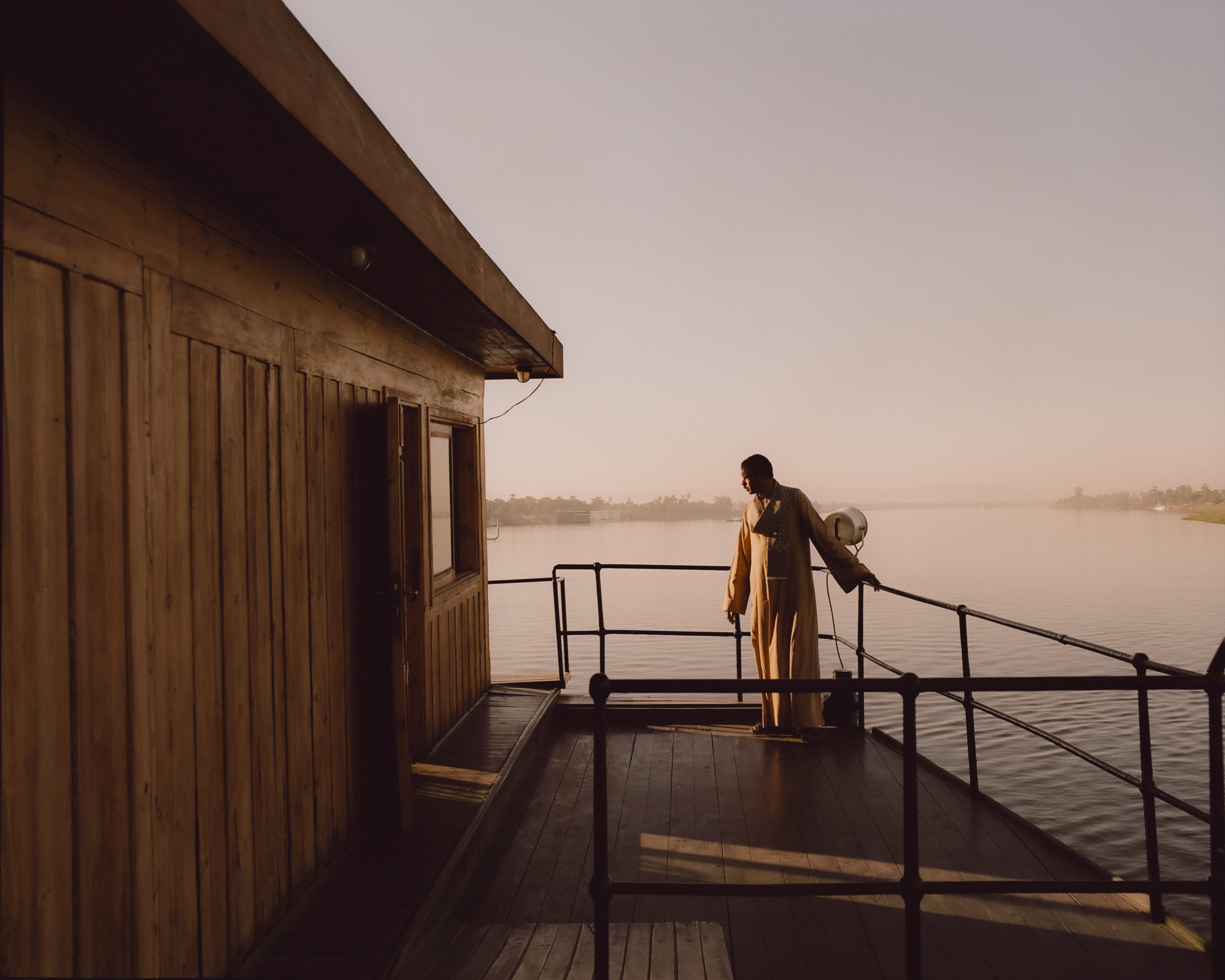
Photo by Pie Aerts.
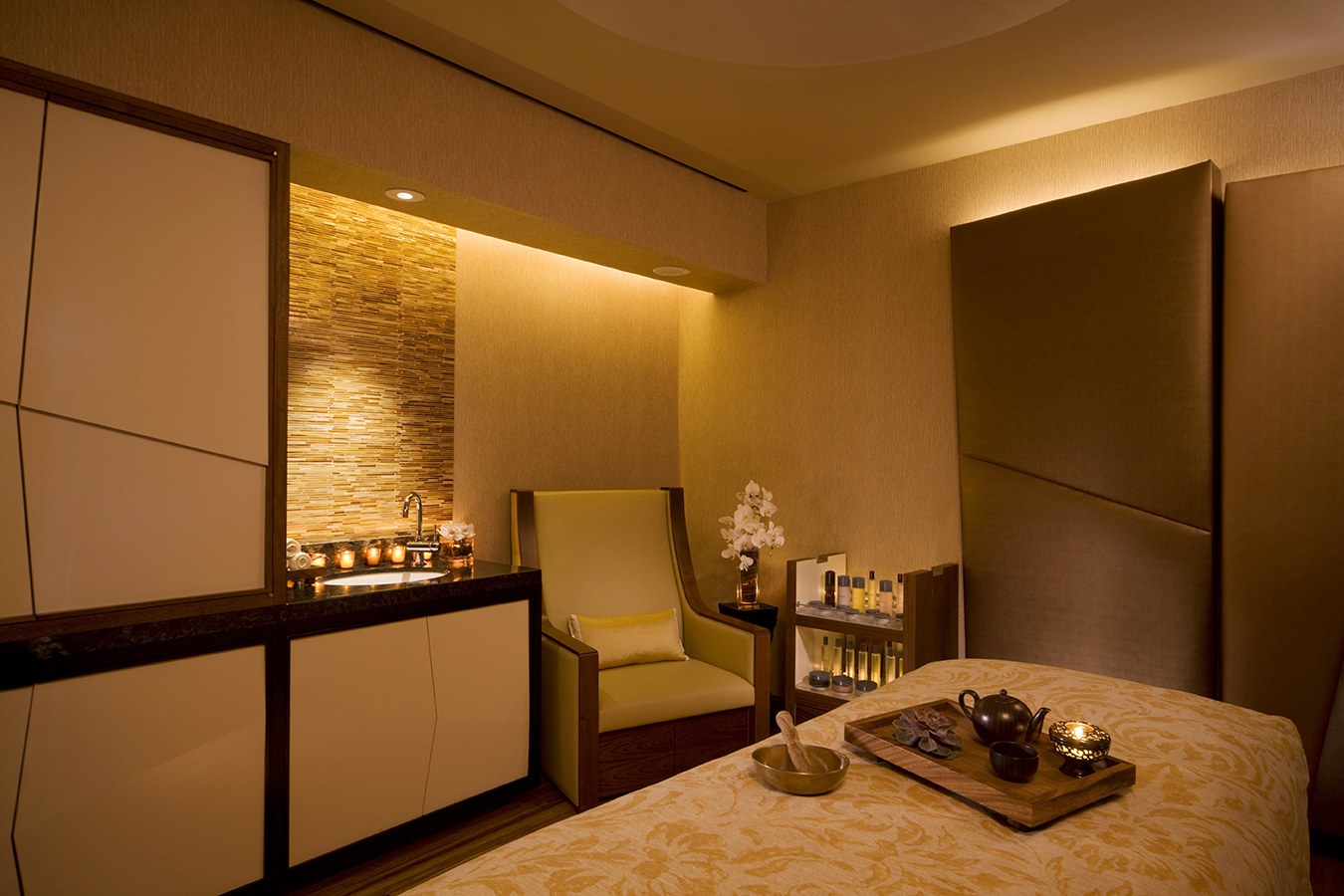
While it’s no longer powered by steam, the ship’s leviathan engine still gleams and sputters in its bowels, and every detail in the 18 cabins and six suites is a paean to the Roaring Twenties: velvet armchairs, burnished brass bed frames, and retro dial telephones to reach guest services. Staff clad in burgundy tunics and smart tarboosh hats glide through the mahogany dining room serving buttery perch and lamb tagine on monogrammed dinnerware.
Even the guests appear to have been conjured from an earlier time. They join the ranks of the Sudan’s famous passengers of the past who lend their names to the rooms, including Agatha Christie, whose time on the ship reportedly inspired Death on the Nile; Gustave Flaubert; King Farouk, the last king of Egypt; and fashion designer Lady Duff Gordon, who was on-board another famous steamship of the era the night it sank.
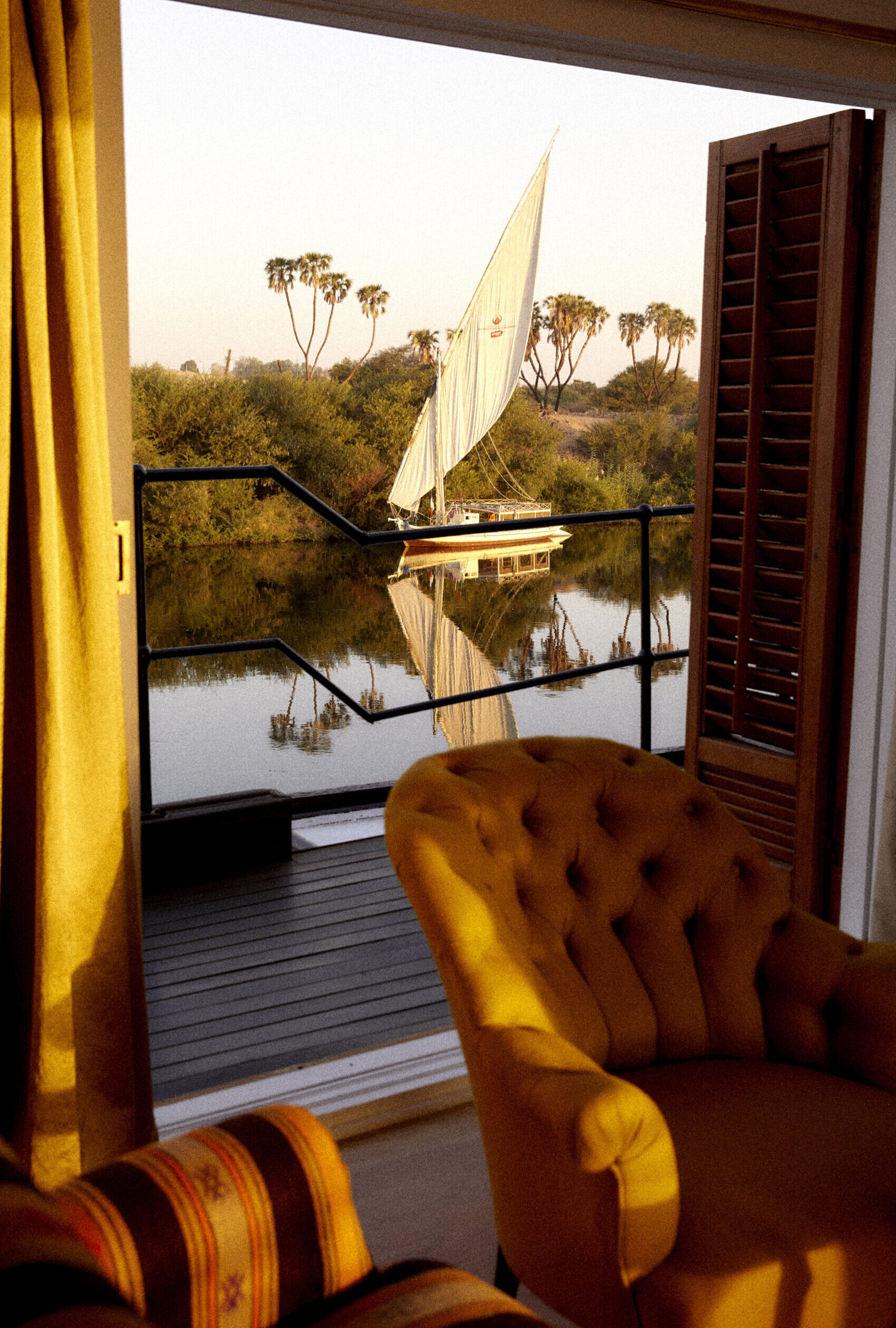
Photo by Mathieu Richer Mamousse.
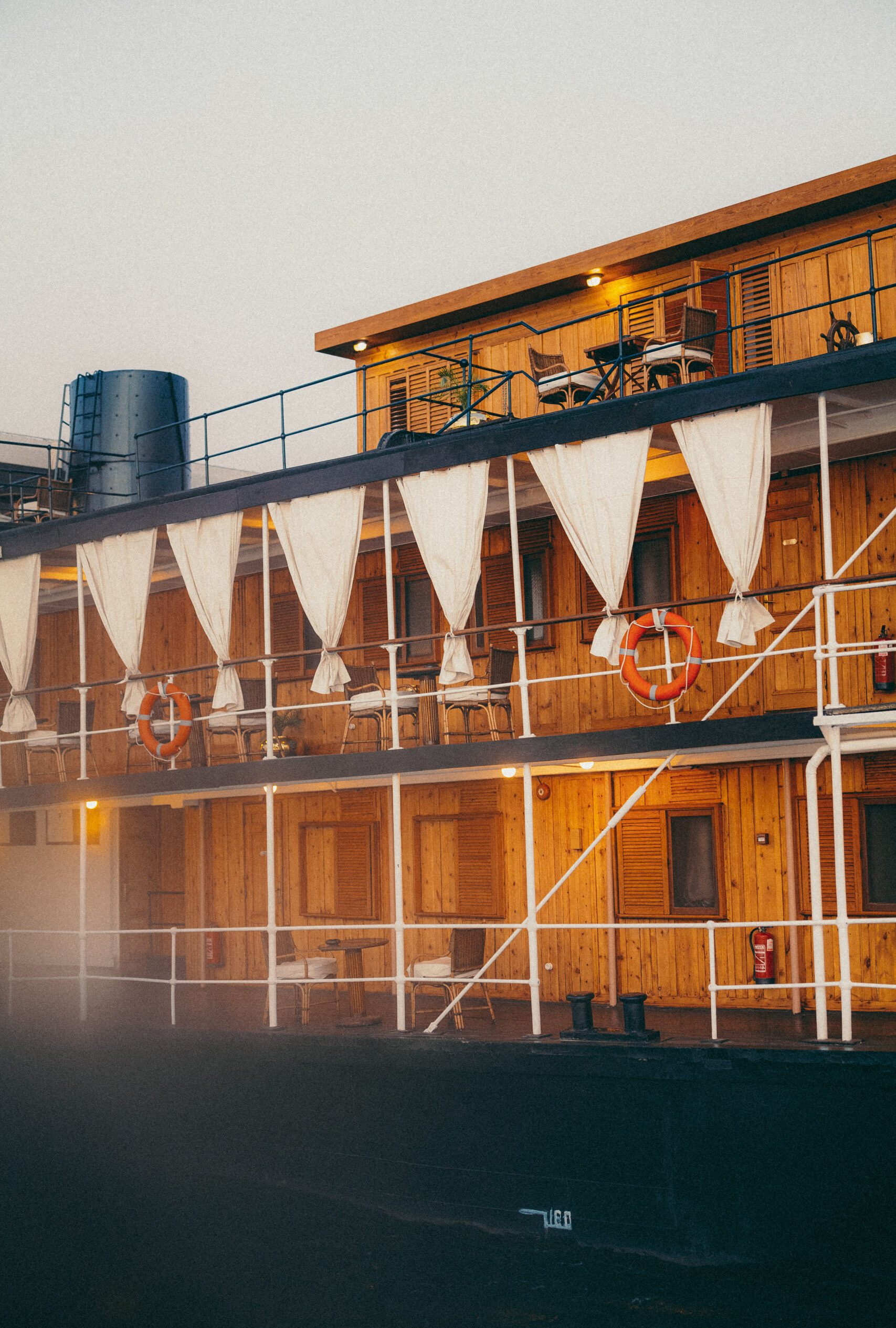
Photo by Boby.
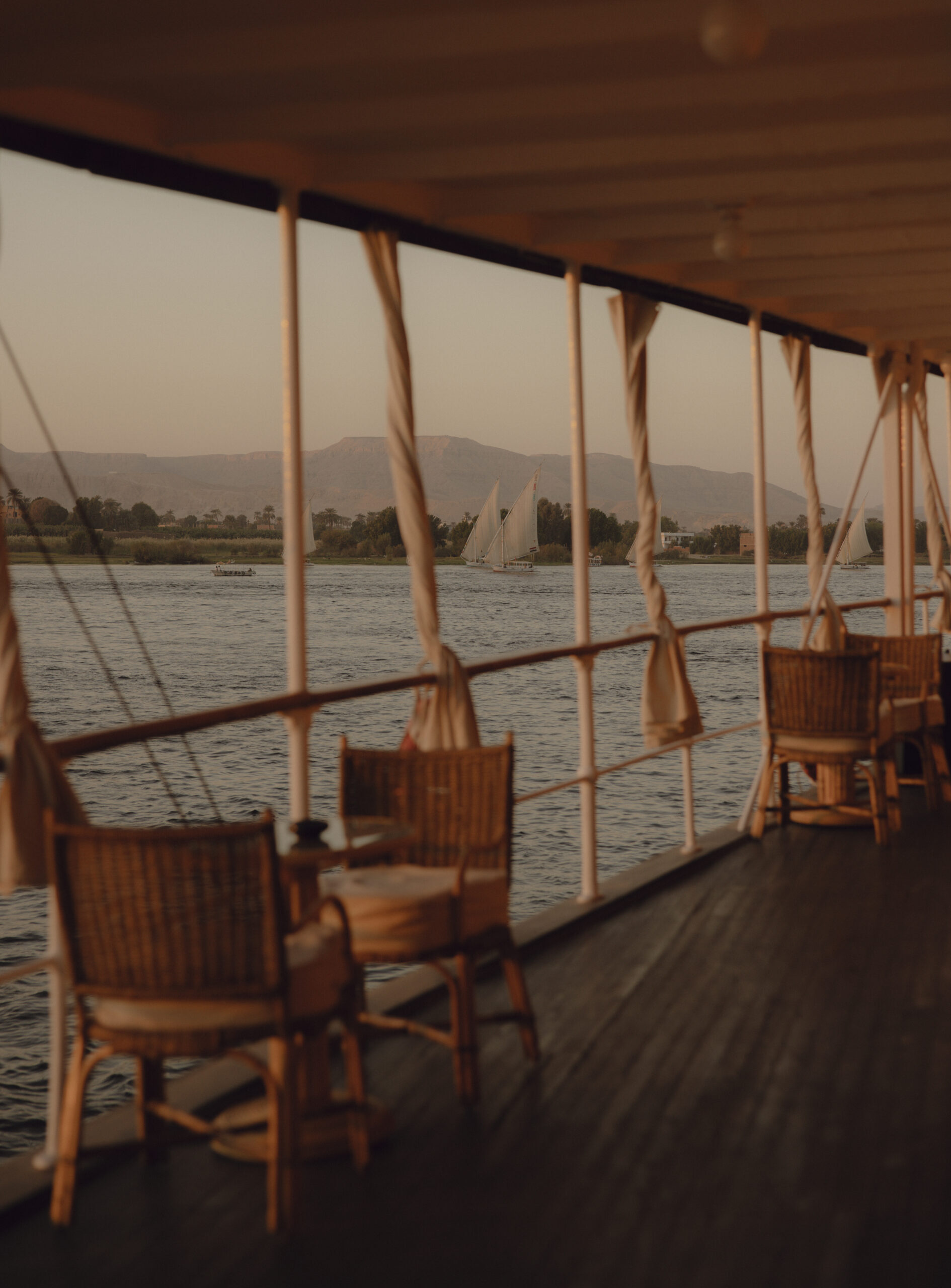
Photo by Pie Aerts.
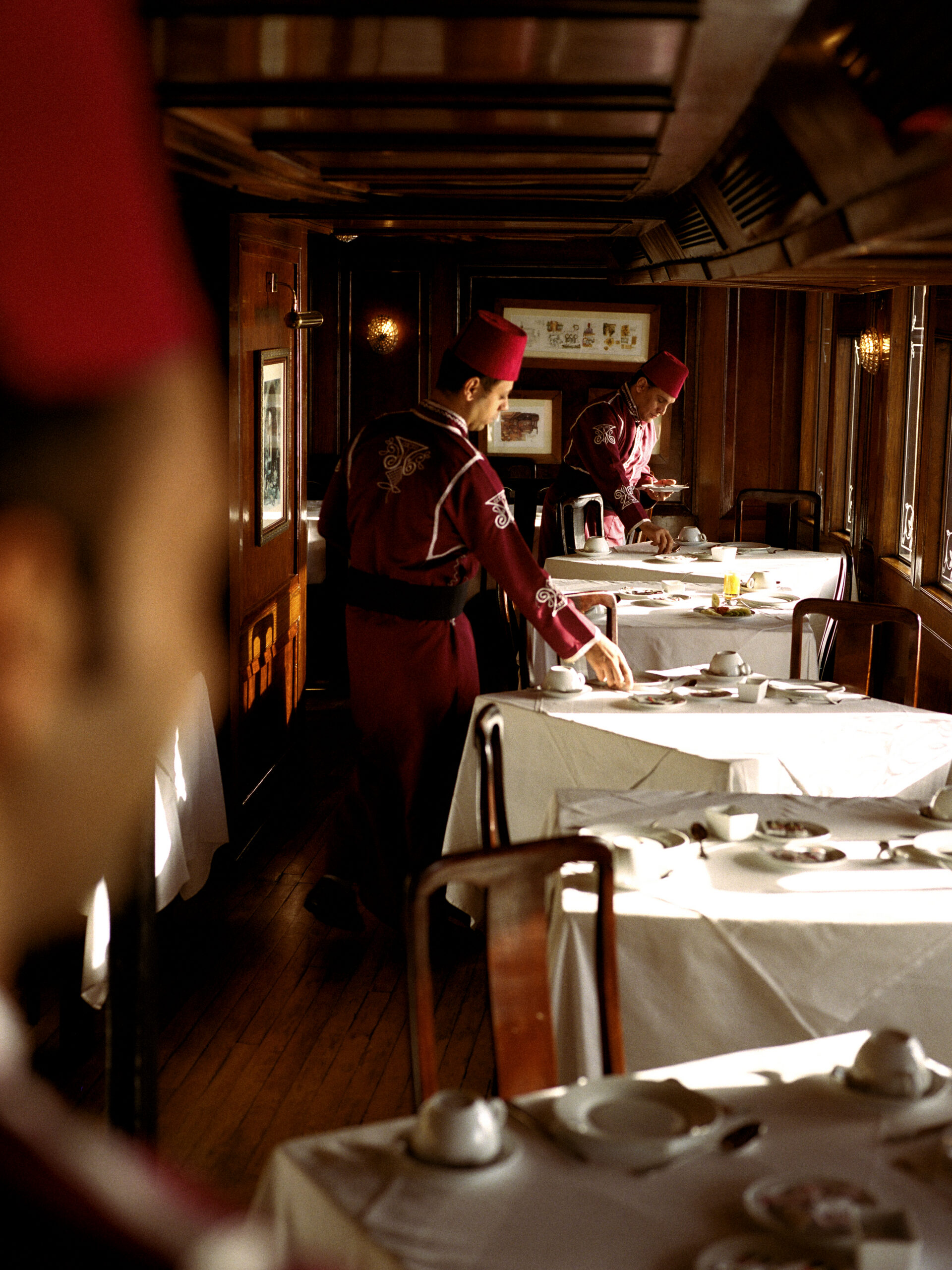
Photo by Mathieu Richer Mamousse.
At a time when so much travel has become soul crushing in its banality and discomfort, this riverboat journey is the destination, and although luxurious, there is nothing stiff or pretentious about it. Instead, there’s an ease that makes one wish the sailing were twice as long as the five days it takes to travel to Luxor from the sun-baked Nubian city of Aswan. That’s thanks in part to the warmth and camaraderie of the crew. “The captain considers the ship one of his children,” says the Sudan’s avuncular director, Amir Attia.
While Cook’s steamships, along with the discovery of Tutankhamun’s tomb in 1922, ushered in “Egyptomania,” making a trip down the Nile the voyage du jour for Europeans with means, travel on the river began long before that. Cleopatra and Julius Caesar famously made the trip down the Nile in 30 BC, and many of the sites that guests on the Sudan visit today have been preserved since. The titanic temples of Luxor and richly painted tombs in the Valley of the Kings are impressive testaments to pharaonic power. But by plying the waters slowly over five days, a quieter mystery is unveiled at smaller, less crowded temples. Bathed in honeyed light, Kom Ombo, Edfu, and the romantic island temple of Philae emanate a sense of the divine.
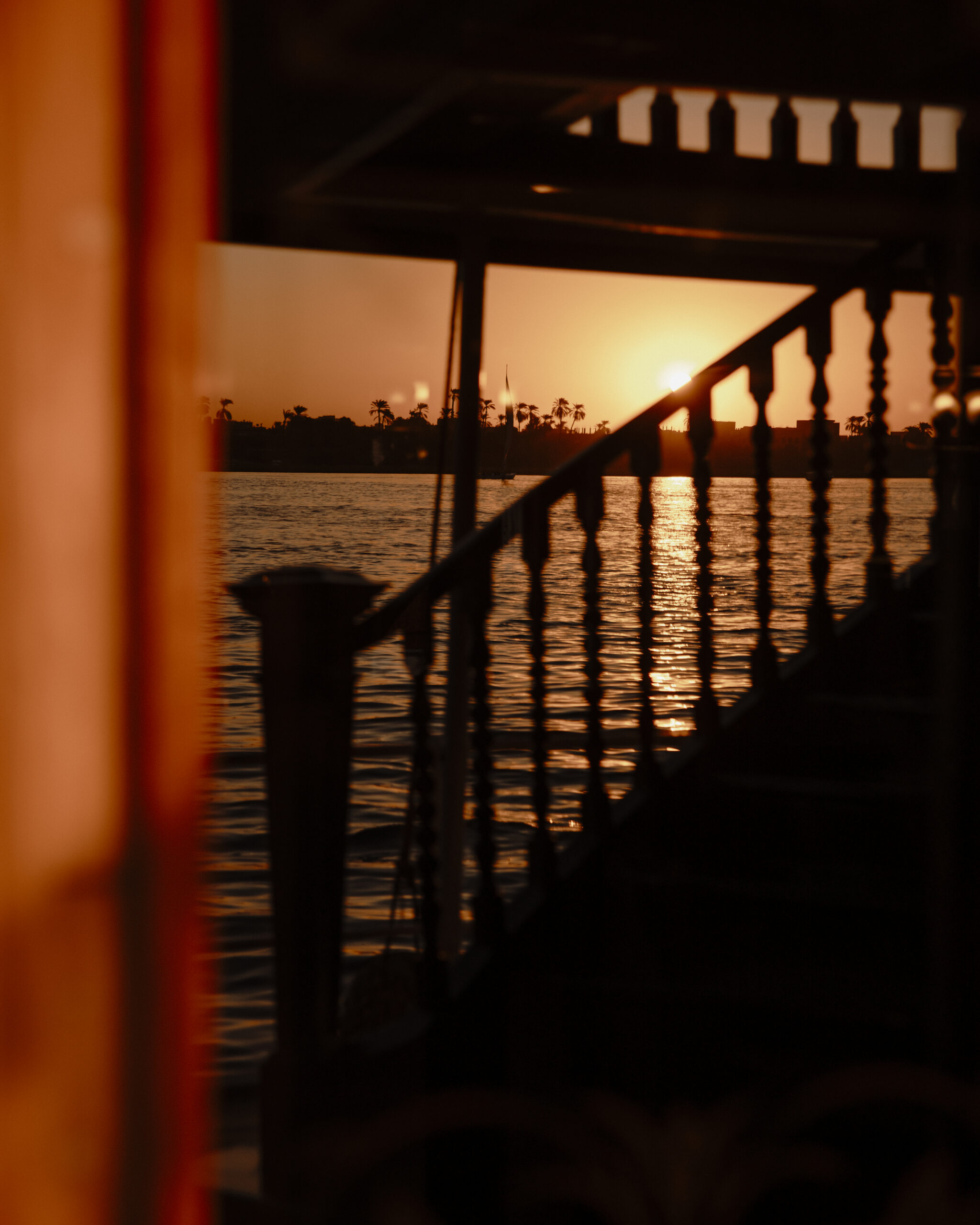
Photo by Pie Aerts.
Past the temple grounds, car exhaust mingles with dust in the blistering heat, and belligerent hawkers and hustlers strain to make themselves heard over the cacophony of traffic. Contemplative moments in the hallowed tombs and temples are mirrored in the fleeting beauty observed from the ship. Witnessing the black silhouette of palm trees against a smouldering orange sunset, children waving jubilantly from the edges of small villages, and graceful white egrets standing still as marble along the shore is its own kind of prayer.