What do Skin Experts Think About At-Home Red Light Devices?
Glow on.
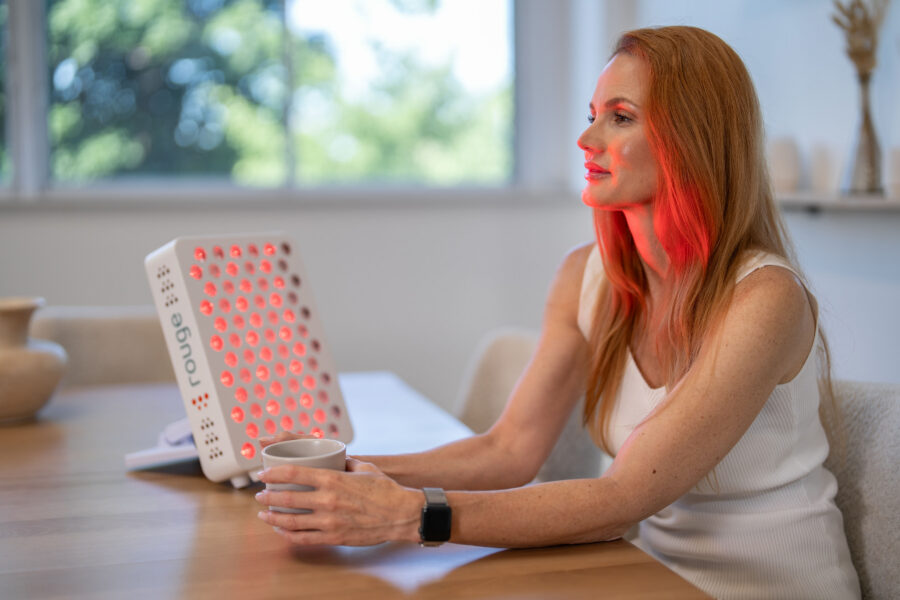
Red light therapy, which uses specific wavelengths of light for healing, has been practised in medical settings since the late 19th century, when a physician and scientist called Dr. Niels Finsen discovered it could help with smallpox scarring. He went on to receive a Nobel Prize for his research into light therapy. In simple terms, the red light works by stimulating activity inside our cells. “The scientific term is photobiomodulation, which is really just a way of saying we’re using light to support the body’s own repair processes,” says Toronto dermatologist Dr. Julia Carroll. “We’re using light to calm inflammation, support healing, and encourage collagen production.”
The U.S. FDA began to clear more-accessible at-home devices for red-light therapy in the 2000s. Since then, a plethora have appeared, first as masks that made users look like Paul Bettany as Vision from the Marvel Universe, and later as helmets, neckpieces, eye masks, panels, and even full-body bags that provide red-light coverage from top to toe.
There’s scientific heft behind some of these devices. “For skin, studies have shown that red and near-infrared light can help improve fine lines, skin texture, and overall skin quality,” says Vancouver dermatologist Dr. Katie Beleznay, though she adds a caveat. “The improvements tend to be modest and gradual, and it should not be expected to deliver the same results as in-office procedures such as lasers or microneedling.”
She notes that there is some good evidence supporting low-level light therapy for androgenetic alopecia or pattern hair loss in both men and women. “Certain devices have been shown to improve hair density with consistent use over several months. That said, I would consider it one component of a broader treatment plan.”
Carroll agrees that expectations need to be managed. “Results are subtle and build gradually, so consistency matters more than anything. I always tell patients the best device is the one they’ll actually use.” Typically, at-home red-light devices for skin and hair need to be used several times a week for several minutes a session to see results, which can sometimes be hard to fit into a schedule.
If you want to buy a device, do your research to ensure that your device is made by a reputable manufacturer and is cleared by Health Canada. Manufacturers should also publish clinical info and details like the light’s wavelength on their websites. “Commonly studied wavelengths for skin include red light around 630–660 nm and near-infrared light around 810–850 nm, although the ideal parameters depend on the application,” Beleznay says. She doesn’t think it’s a silver bullet for hair and skin, but she says it is something she uses personally.
Red light is being looked into for all sorts of health and wellness benefits, including weight loss, sleep support, and pain-relief. While noting that it’s outside their area of expertise and acknowledging that there is interesting research, Beleznay and Carroll are both a little skeptical. “What I will say is that the wellness industry has a habit of taking something with a real scientific basis and applying it to everything,” Carroll says.
Looking to add some red light to your routine? Here are five devices to try.
____
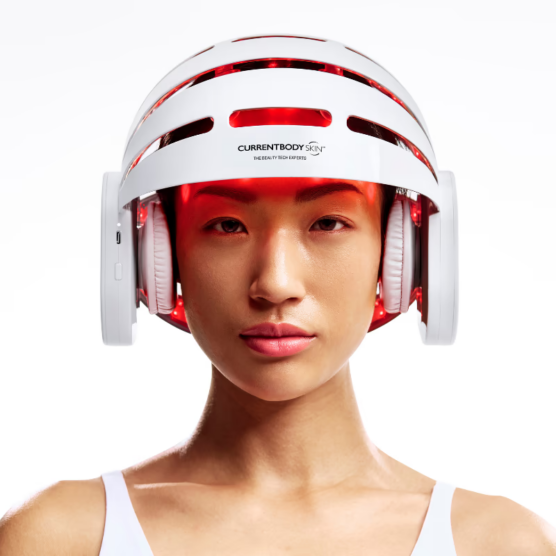
CurrentBody LED Hair Growth Helmet
You need 10 minutes a day with this helmet, which promises to “energize hair follicles” and soothe the scalp. Bluetooth headphones are attached so that you can listen to music or podcasts while you treat your hair.
___
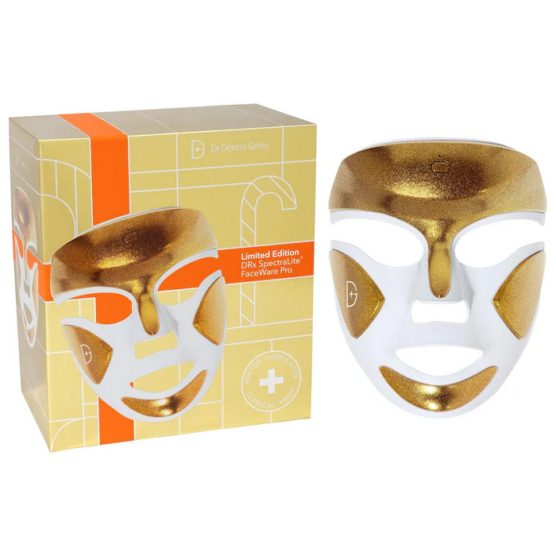
Dr. Dennis Gross Limited Edition FaceWare Pro: Glow in Gold
Choose between red light, blue light (said to kill bacteria, improving acne), or a combination of the two. This face mask has straps so you can wear it while walking around, and you need just a three-minute daily session to see benefits. It’s FDA-cleared and comes in a version specifically for the eyes and another for the lips. For the holidays, this one is available in limited-edition gold as well as the usual rose gold.
___
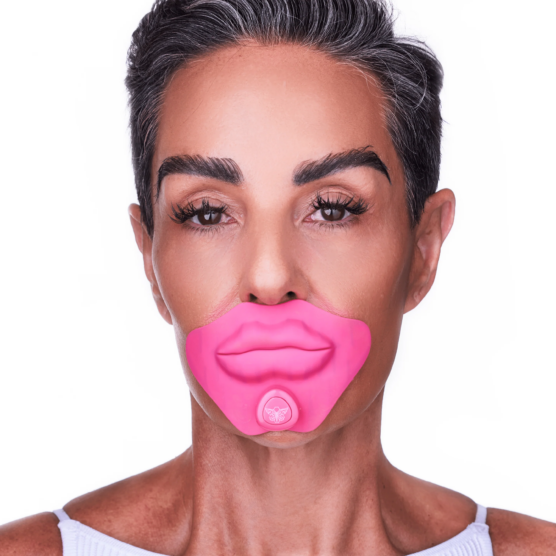
Metamorphosis LushLips Transformation
Focus on the lower half of the face with this device, which is FDA-cleared for treating the lips and chin. It includes amber, red, deep-red, and near-infrared light in three-minute sessions.
___
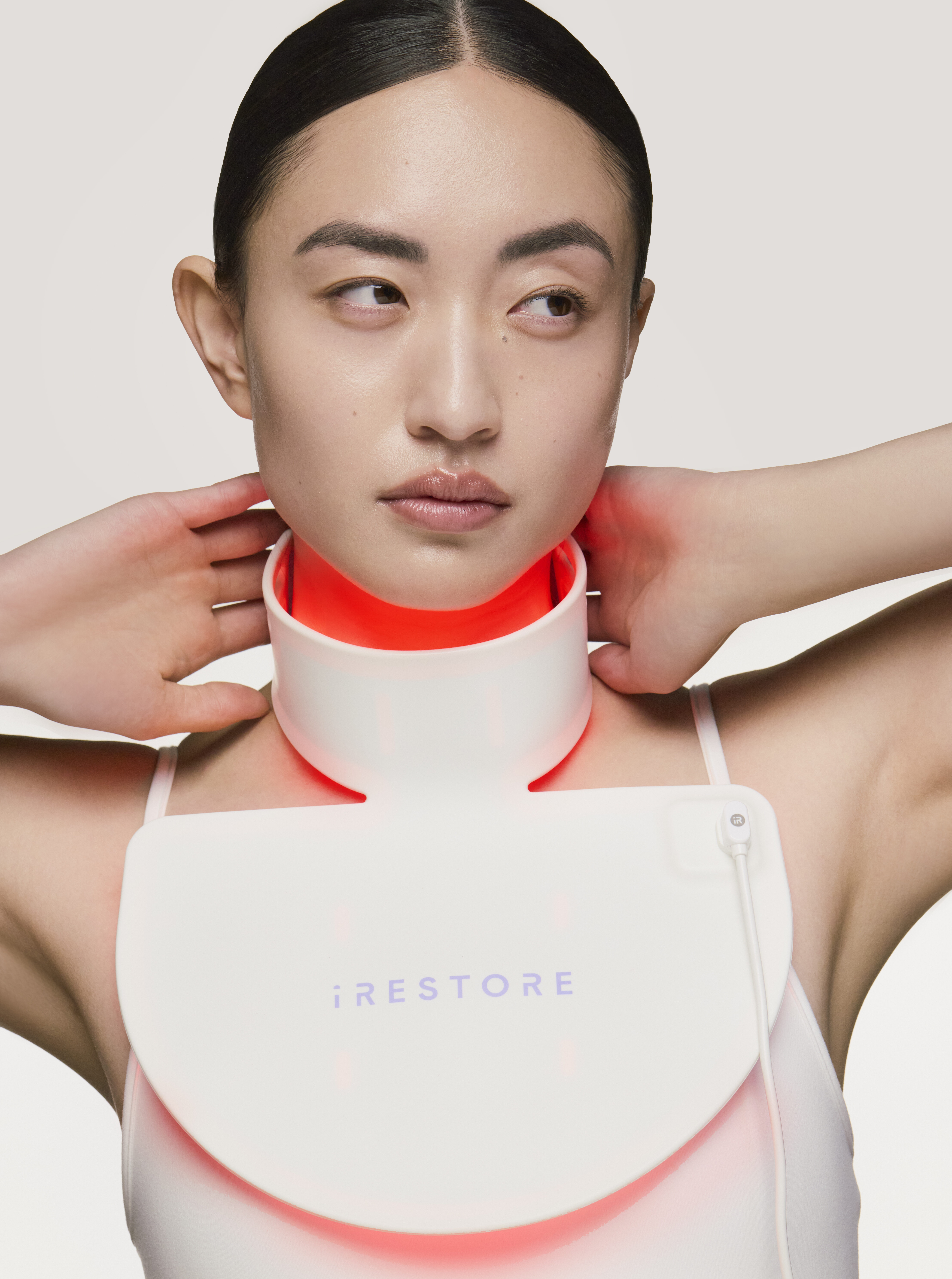
iRestore Illumina Neck and Chest Mask
The face usually gets the attention, but the neck and face are almost as exposed to UV rays, and the skin there is thin and fragile too. This has red, near-infrared (supposed to be good for pain), and blue light modes, and you can use it in several combinations to treat signs of aging, body acne, and more.
___
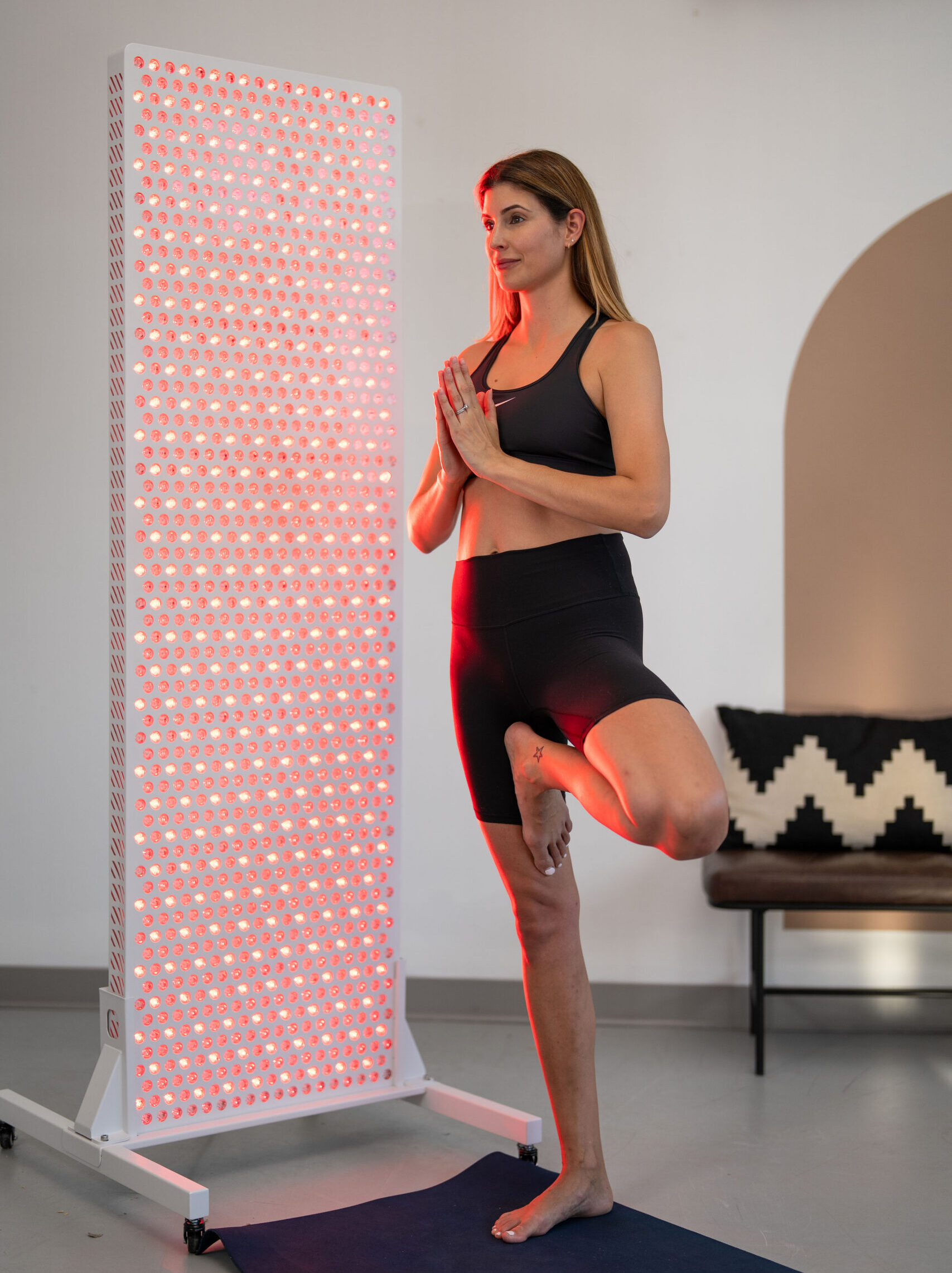
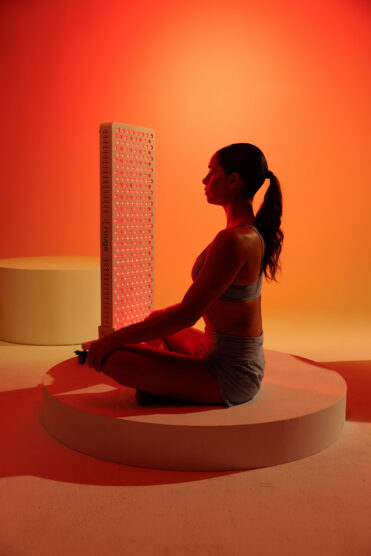
Approved by Health Canada and registered with the FDA, this full-body panel offers eight red and near-infrared wavelengths, primarily in the ranges Dr. Beleznay recommends for skin, and claims to address other issues such as muscle recovery and fat metabolism too. The brand makes other panel sizes, including tabletop and handheld portable, plus a mask that covers face and neck, and a bed over which you can mount the Ultimate G4 for simultaneous front and back treatment. Rouge Care is a Canadian company, based in Quebec.